This is precisely the sort of practical, hard-headed question that deserves a direct answer. Let me give you three litmus tests that separate the true sportsman from the verminous poacher and game-butcher, each grounded in observable behavior rather than mere preaching.
First Litmus Test: The Use of the Carcass
The true conservation hunter never wastes what he kills. The man who leaves deer and ducks to rot after he has slain them is wholly obnoxious . The professional market hunter who kills for the hide, feathers, or meat alone, or the man who shoots for the mere record of slaughter—these are the real enemies of game . Have your students ask: "Does this hunter use the meat, the hide, the antlers—or does the animal die for nothing but a tally mark?" The conservation hunter takes only what he can use; the poacher takes all he can get.
Second Litmus Test: Obedience to the Law in Spirit and Letter
The professional market hunter, the man who puts game in cold storage for profit, the man who kills out of season or beyond the legal limit—these are the real destroyers of wildlife . A true sportsman, worthy of the name, shoots only in season and in moderation, and does no harm whatever to game . Tell your students to examine whether the hunter obeys the game laws that were designed to ensure future generations can also enjoy the chase. The poacher treats the law as an obstacle; the conservation hunter treats it as a sacred covenant with the future.
Third Litmus Test: The Relationship to the Living Animal
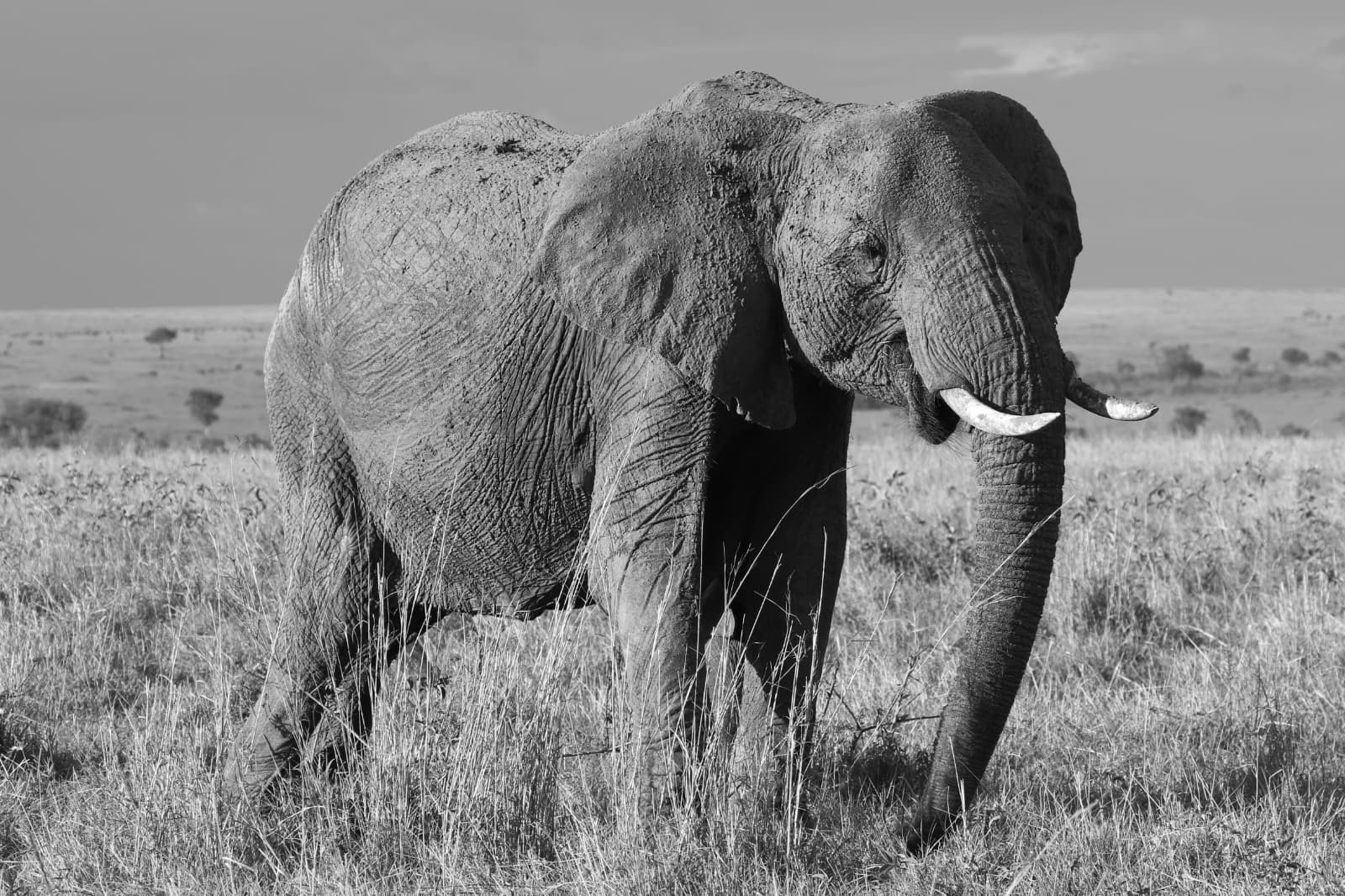 Ask your students this simple question: Does the hunter value the live deer in the woods more than the dead deer on his wall? A live deer in the woods will attract to the neighborhood ten times the money that could be obtained for the deer's dead carcass, because of the way it brings hunters who give employment and leave money behind them . The conservation hunter understands this—he knows that the wild creature he pursues is an embodiment of the wild vigor of life itself , and that its continued existence in the wild is worth far more than any one trophy. The poacher sees only the price of the hide or the temporary thrill of the kill.
These three tests—the use of the carcass, obedience to the law, and the valuation of the living animal over the dead one—will serve your students far better than any amount of moralizing. Let them judge by actions, not by words. That is the Square Deal applied to the wilderness!