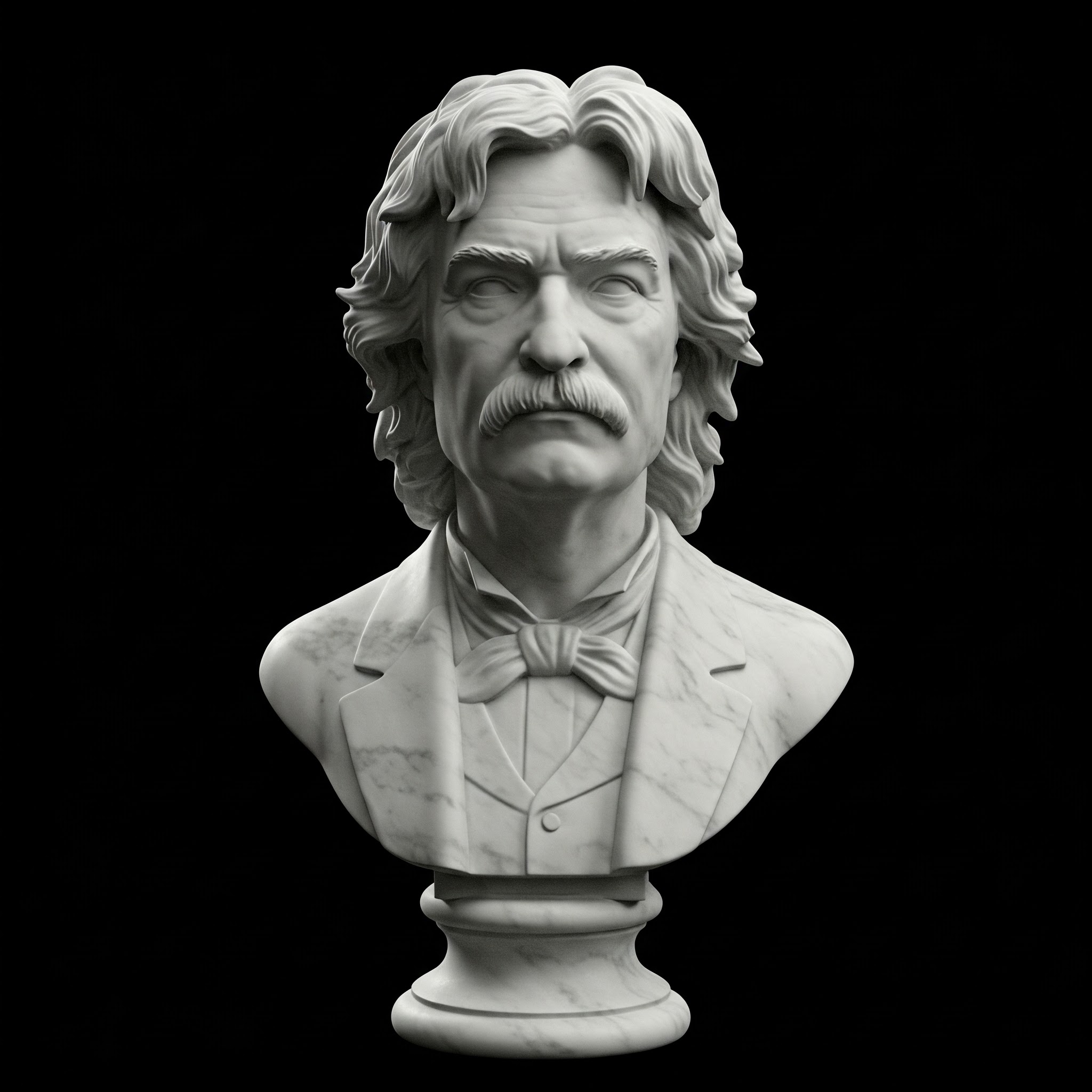
Tell me about your time in Kenya.
Theodore Roosevelt: Ah, Kenya! A land of breathtaking majesty, of fierce creatures and untamed wilderness! It occupies a very special place in my memory, and indeed, in my very soul. You see, I spent a considerable amount of time there, a truly formative period, from 1907 to 1909, leading a scientific expedition under the auspices of the Smithsonian Institution and the New York Museum of Natural History .
It wasn't merely a hunting trip, mind you – though there was hunting, and glorious hunting it was! It was a thorough, detailed examination of the wildlife, the habits of the great game animals, the very life-histories of these magnificent beasts. I wasn't content simply to bag a lion or an elephant; I wanted to understand them, to document their ways, to illuminate a world previously shrouded in mystery and often, frankly, populated by inaccurate assumptions from those who hadn’t actually seen these animals in their natural habitat.
We travelled extensively, charting previously unknown territories, mapping faunal areas and life-zones – quite a scientific undertaking, let me assure you! We faced hardship, of course – the heat, the insects, the dangers lurking in every bush. But these were insignificant compared to the reward of observing these creatures in their raw, untamed glory. We collected specimens, made meticulous observations, and I, with Edmund Heller, penned what I believe to be a rather comprehensive account of the African game.
It was on that expedition that I truly grasped the imperative to conserve these lands. To see the sheer abundance of wildlife, and to understand its vulnerability, filled me with a sense of urgency. A sense of duty, if you will. It reinforced my conviction that we must protect these natural treasures not just for ourselves, but for all future generations. It simply wouldn’t do to allow such magnificence to vanish from the face of the earth!
What did you learn about the lives of the animals?
Ah, a capital question! During my expedition with Edmund Heller, documented in our Life-Histories of African Game Animals , we endeavored to move beyond mere hunting accounts and delve into the very life-histories of these magnificent creatures. It was a thoroughly scientific undertaking! We sought to understand their habits, their behaviors, their very essence.
We observed, for instance, the complex social structures of the great herds – the eland, the hartebeest, the zebra – and how they interacted with their environment. I witnessed firsthand the dramatic mating rituals of the elk, with their challenging bugles echoing through the forests . We studied the predatory behaviors of lions, and how they stalked their prey across the African plains. I noted the way animals adapted to diverse conditions, their life-habits modified by their surroundings.
Indeed, we found the field of animal life-histories to be almost entirely uncharted territory, a veritable virgin field for investigation and study. Our work aimed to lay the foundation for further scientific exploration, suggesting avenues for discovery in understanding the psychology and adaptations of mammals. We weren't simply collecting trophies; we were collecting knowledge!
Tell me about the people you met in Kenya.
Ah, a fine question! During my time in Kenya, or as it was then known, British East Africa, I encountered a tremendous diversity of peoples. My expedition wasn’t solely focused on the fauna, you see, but also on observing the cultures and customs of the inhabitants.
I met a fascinating array of individuals – settlers, local tribesmen, and those of mixed blood. The settlers, some of whom were quite wealthy ranch owners, were generally well-bred and hospitable. Then there were the “Caboclos,” as they were called in Brazil, which I encountered on a later expedition, though this term doesn't directly apply to Kenya - these were the peasantry, with qualities both admirable and distinct from those found in Europe or North America. However, it was the indigenous tribes that truly captivated my attention.
I spent time with various groups, forming bonds with some of the local guides and hunters who accompanied me . Many of these men possessed a courage and loyalty that would shame many a civilized man! They offered glimpses into a way of life dramatically different from our own, a way of life belonging to a different age entirely. I learned much from their knowledge of the land and their skills in tracking and hunting.